Why Freshness Starts with Temperature Stability
Frozen food quality depends on maintaining appropriate storage conditions throughout distribution, display, and daily use. Although freezing slows many processes that affect food quality, temperature fluctuations can still contribute to changes in texture, moisture, and product appearance.
Frozen freshness should therefore be viewed as a combination of refrigeration performance, cabinet design, and correct operating practices—not simply a marketing term.
A commercial freezer needs to reach its intended operating temperature and maintain it under realistic conditions, including routine product loading and repeated access.
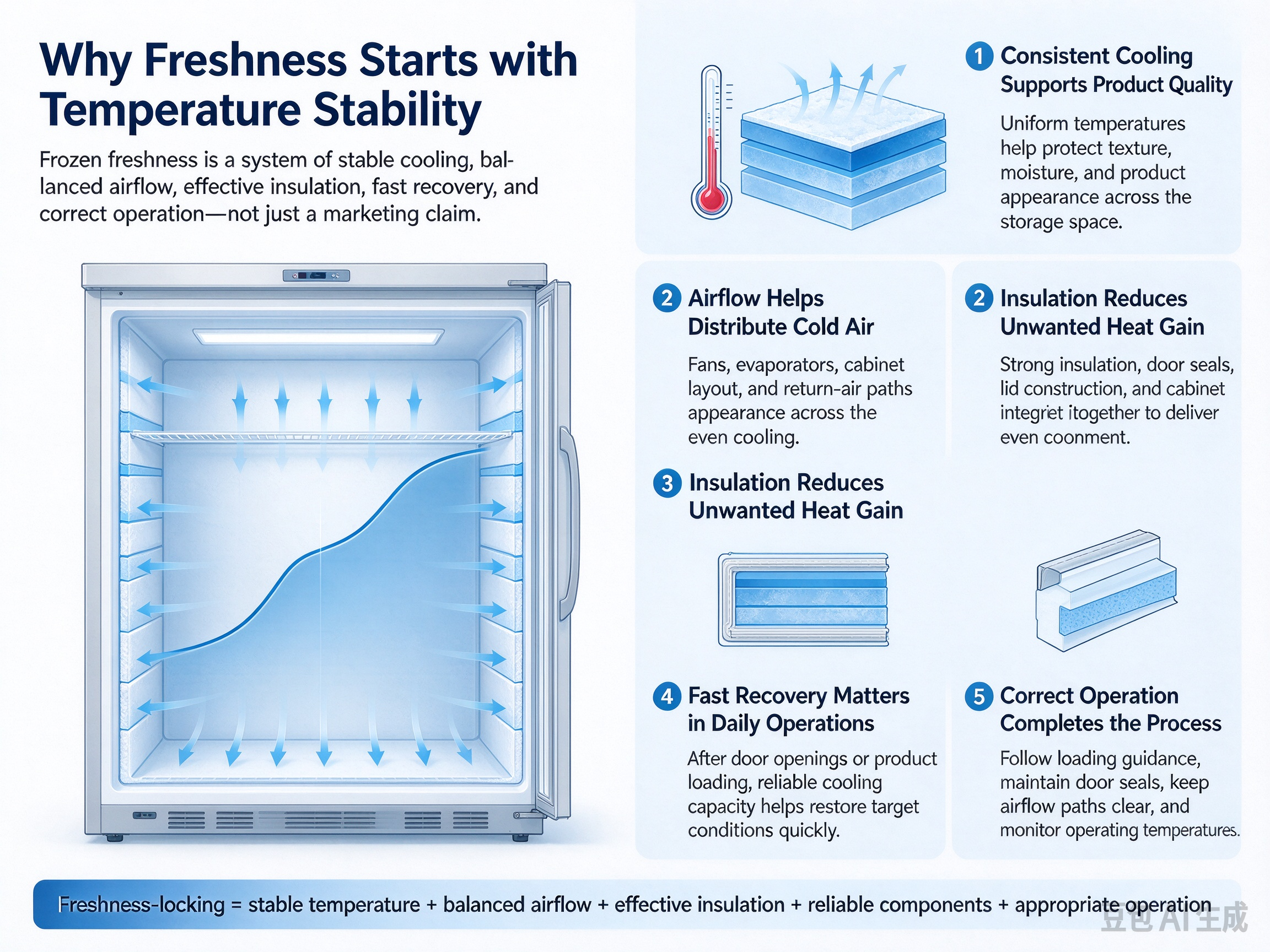
1. Consistent Cooling Supports Product Quality
A freezer may display the correct temperature at one measurement point while other areas experience different conditions. Uneven cooling can result from poor airflow, blocked vents, excessive loading, or differences in the cabinet's thermal characteristics.
When evaluating a freezer, buyers should ask manufacturers how temperature uniformity is assessed, where measurements are taken, and whether testing covers realistic operating conditions.
Consistent storage conditions help businesses manage frozen products more confidently and establish clearer operating procedures.
2. Airflow Helps Distribute Cold Air
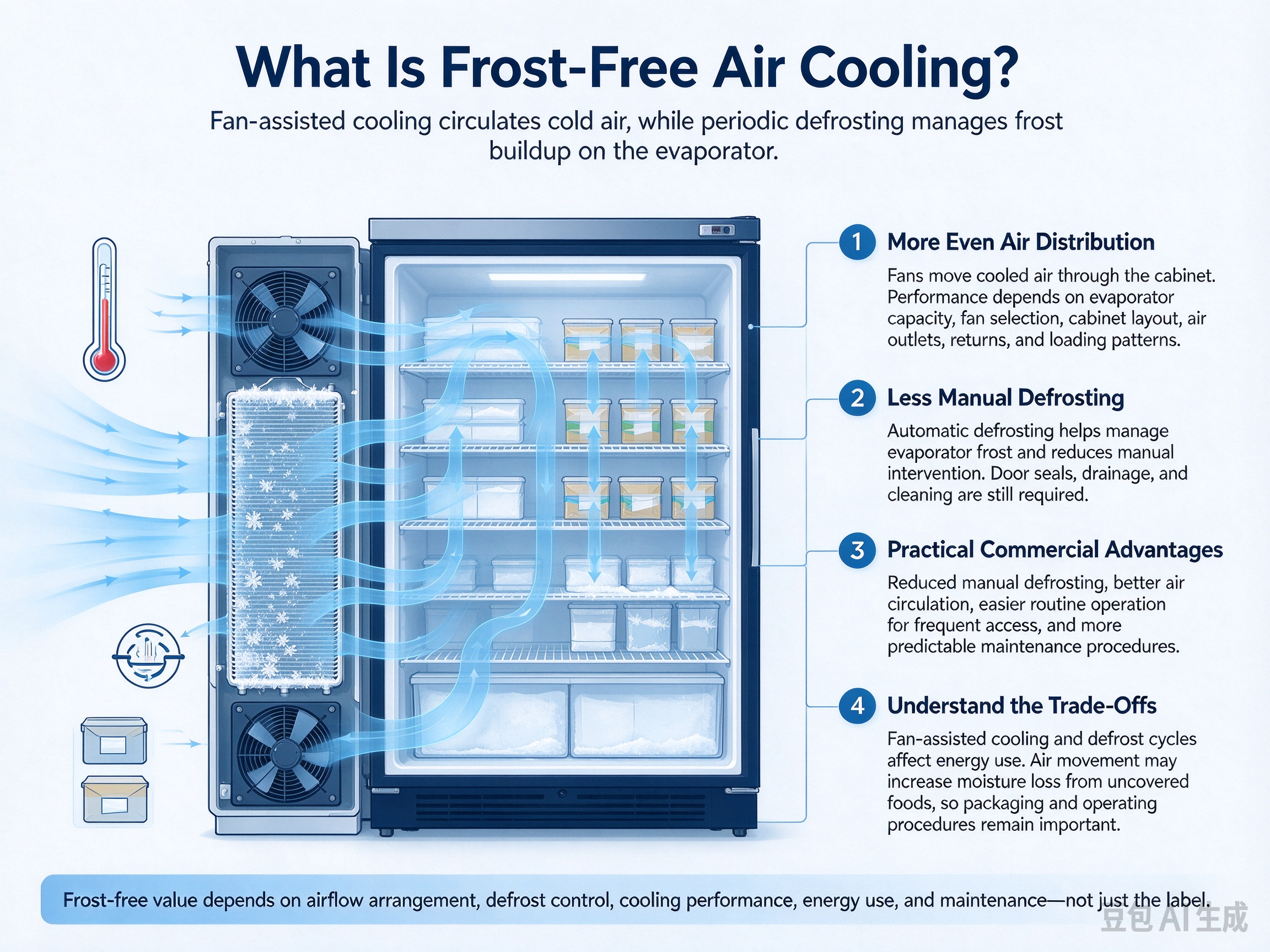
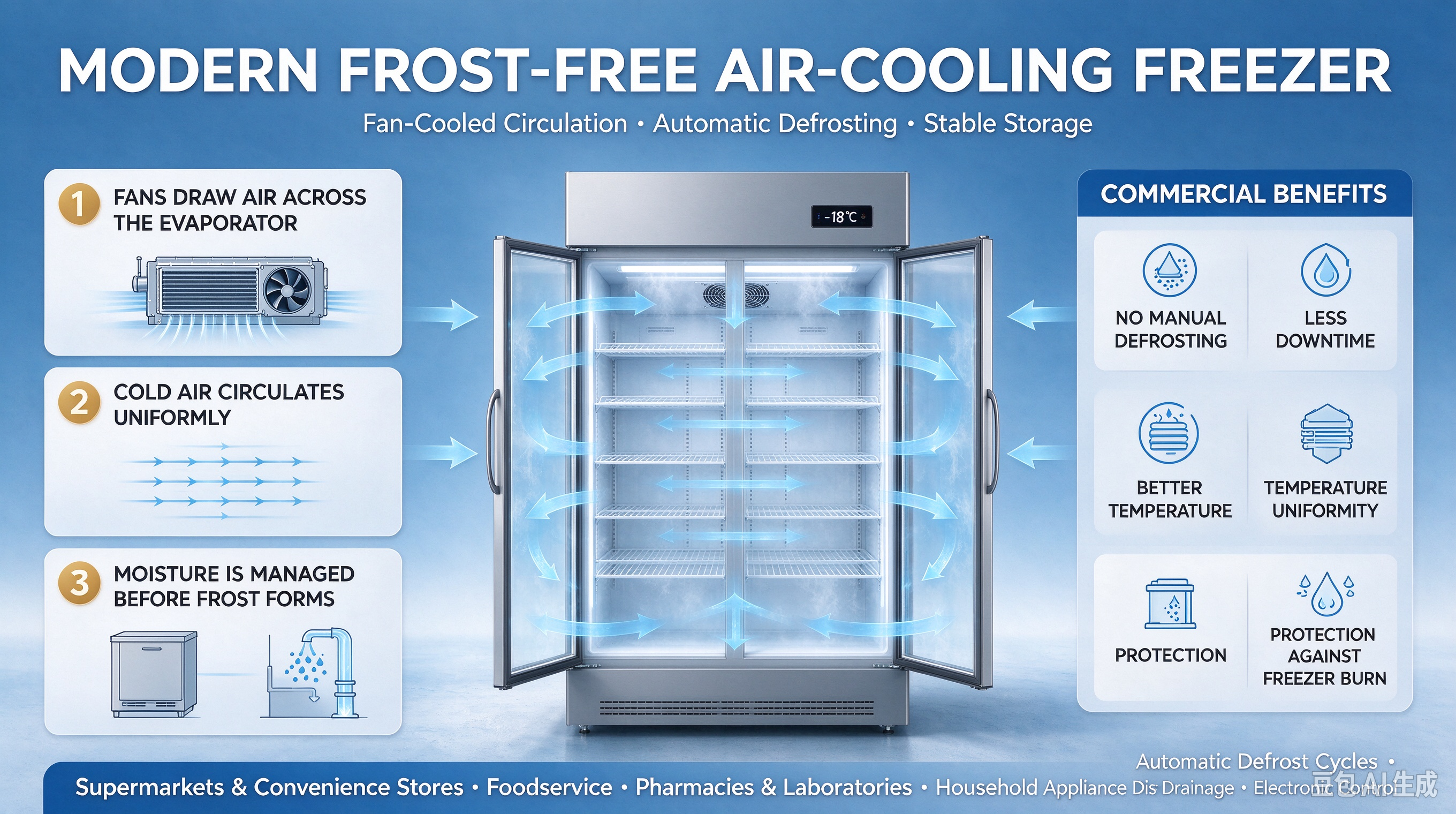
In fan-assisted refrigeration systems, the evaporator removes heat while fans circulate cooled air through the cabinet.
Effective airflow helps distribute cooling across the usable storage space. However, simply increasing fan speed does not guarantee better results. The fan, evaporator, cabinet layout, and return-air path must work together.
Operators should avoid placing cartons directly against air outlets or return openings. Correct loading practices allow the refrigeration system to operate as designed.
3. Insulation Reduces Unwanted Heat Gain
Cabinet insulation helps limit heat transfer from the surrounding environment into the freezer. Door seals, lid construction, and overall cabinet integrity also influence how effectively the unit maintains its internal conditions.
In demanding commercial environments, these design details matter because refrigeration equipment may operate for long periods and experience frequent access.
Buyers should review cabinet construction, gasket quality, and available performance test information instead of judging a product by appearance alone.
4. Fast Recovery Matters in Daily Operations
Opening a door or loading warmer products introduces additional heat into the cabinet. The freezer must then work to restore its intended operating conditions.
Recovery performance depends on refrigeration capacity, ambient temperature, load size, airflow, and the duration of access.
Ask suppliers whether their testing includes temperature recovery after door opening or product loading. These details can provide a more realistic picture of operating performance than a single temperature reading.
5. Correct Operation Completes the Process
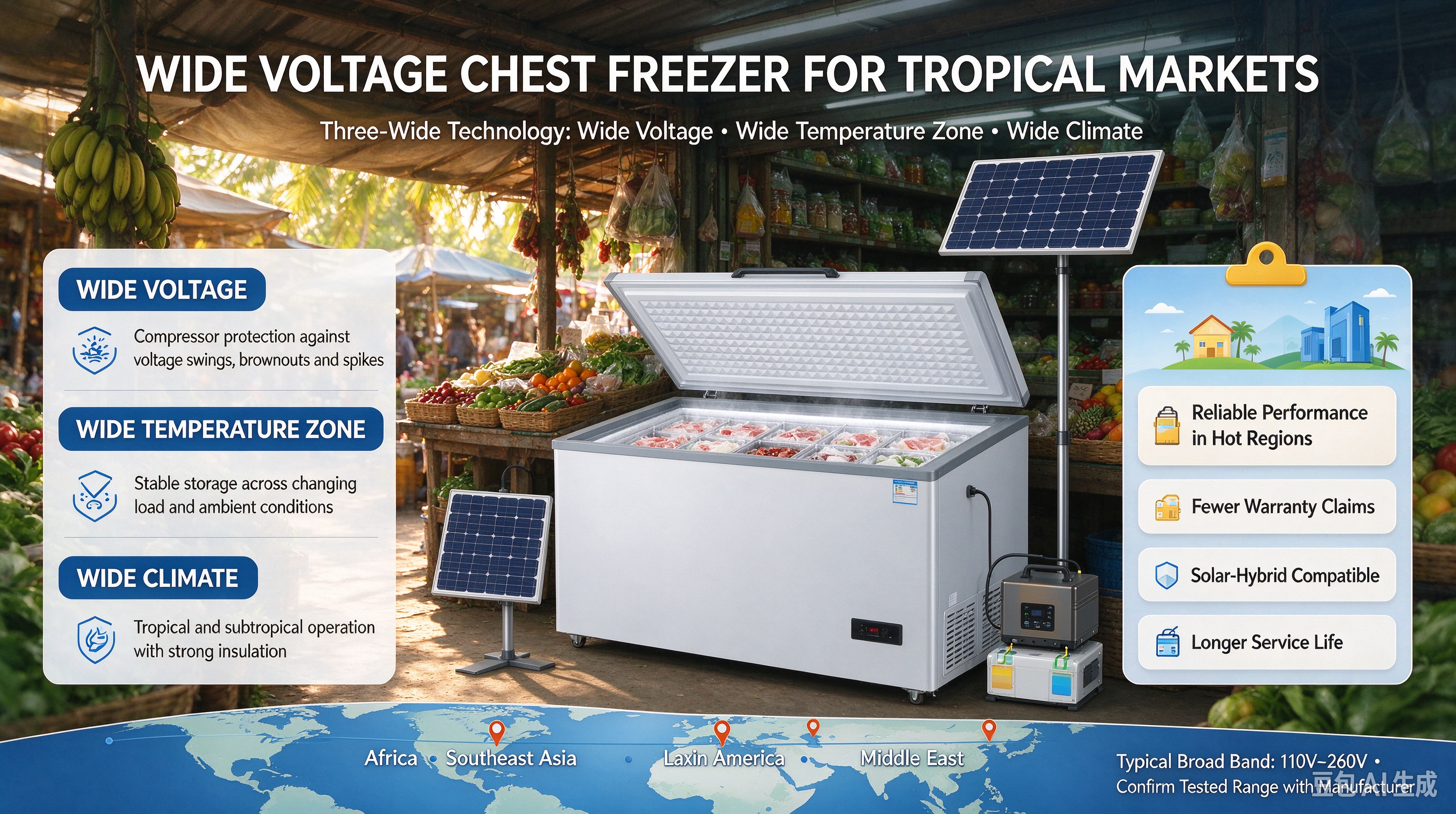
Even a well-engineered freezer can underperform when overloaded, poorly maintained, or operated outside its intended conditions.
Businesses should follow the manufacturer's loading guidance, maintain door seals, keep ventilation paths clear, and monitor operating temperatures. Products should also be stored according to the relevant food safety and product handling requirements.
 What B2B Buyers Should Ask Suppliers
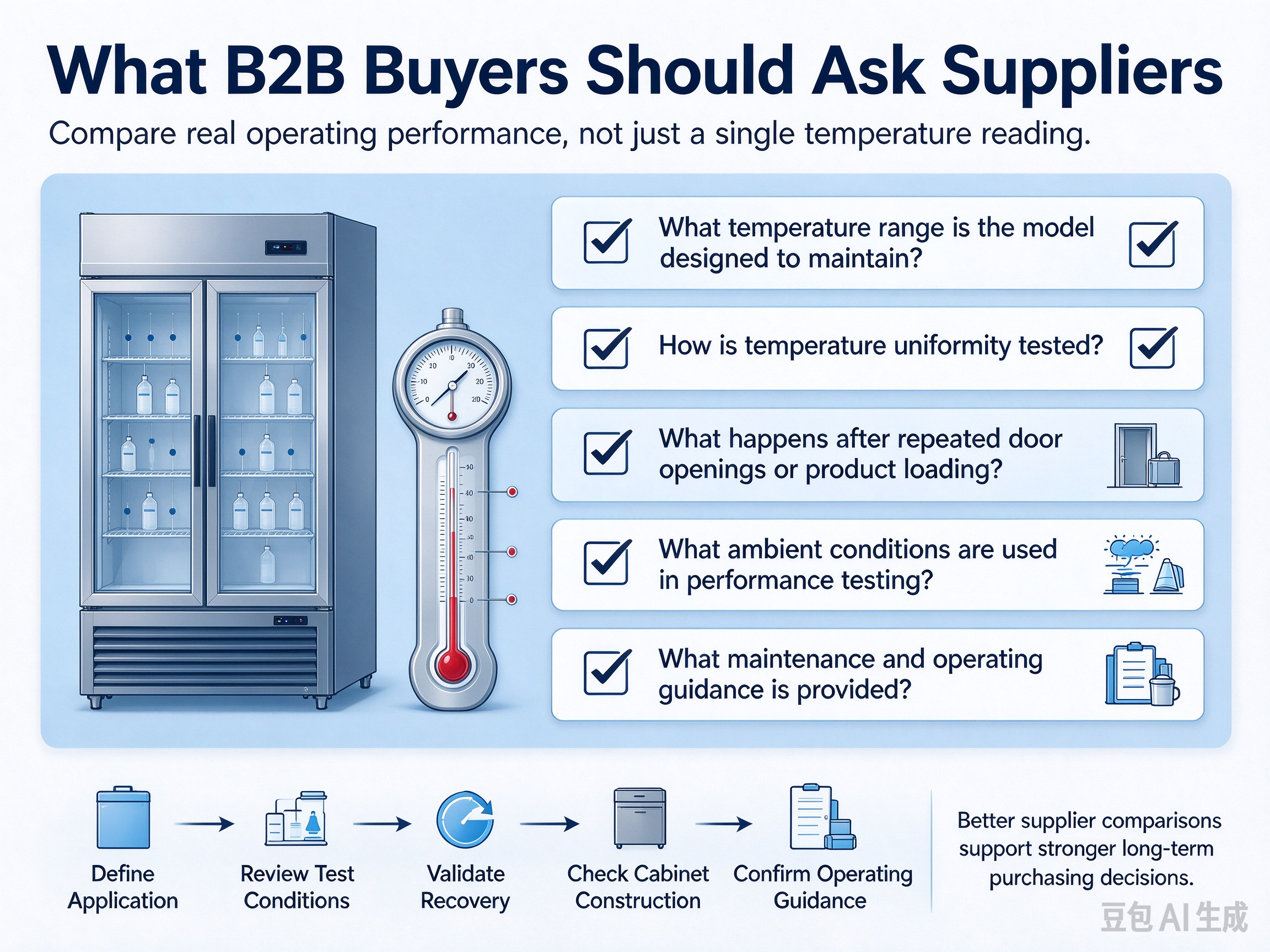
· What temperature range is the model designed to maintain?
· How is temperature uniformity tested?
· What happens after repeated door openings or product loading?
· What ambient conditions are used in performance testing?
· What maintenance and operating guidance is provided?
Conclusion
Freshness-locking is best understood as the result of several factors working together: stable temperatures, balanced airflow, effective insulation, reliable refrigeration components, and appropriate operation.
For distributors and commercial buyers, reviewing these factors helps make supplier comparisons more meaningful and supports better long-term product decisions.
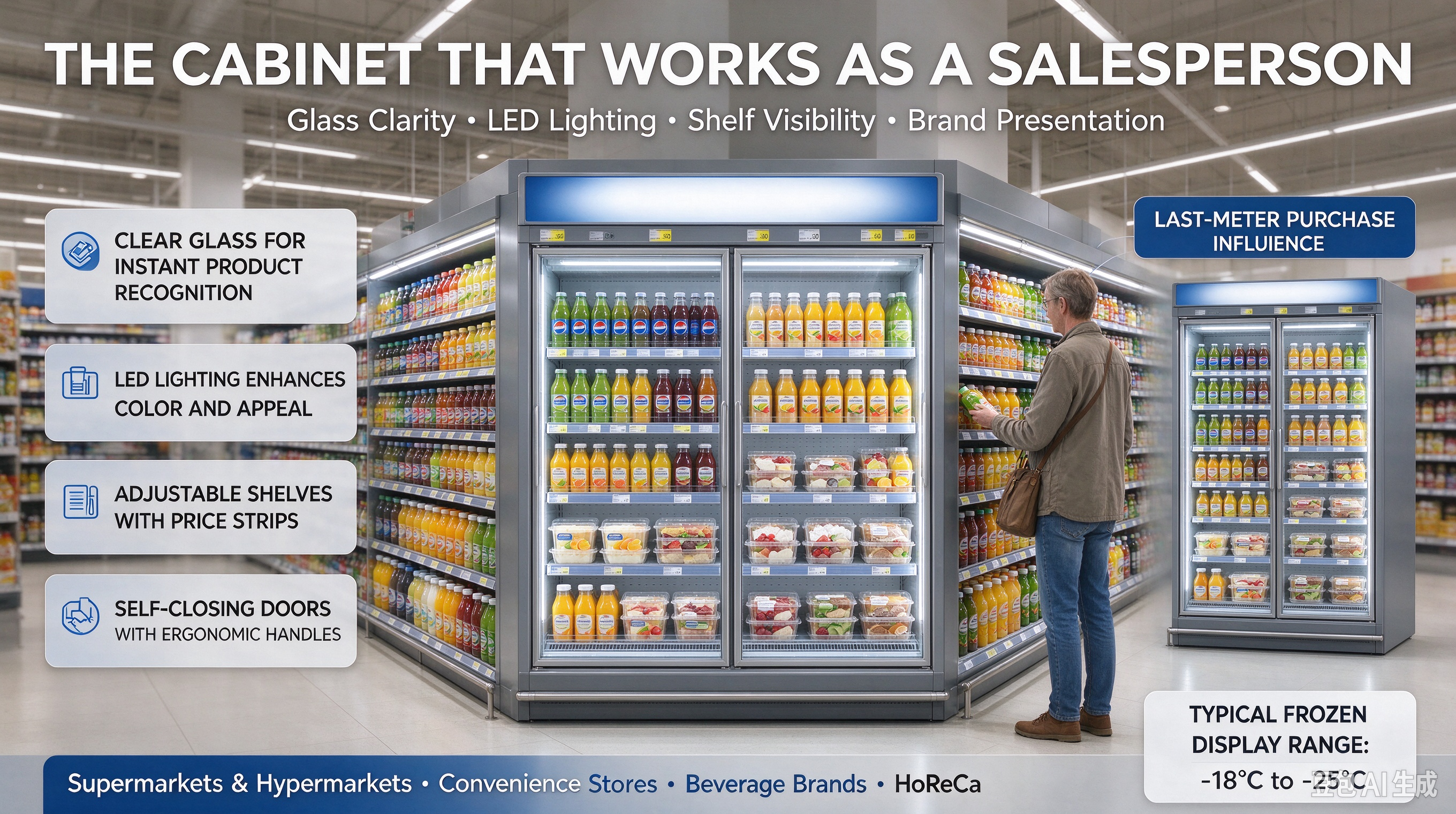
SNOWSEA's commercial refrigeration range includes different freezer platforms for varying storage and merchandising needs. Buyers should match the selected configuration to their application and confirm model-specific performance information before purchase.
SNOWSEA offers commercial freezer, chest freezer and ice cream freezer platforms together with OEM/ODM support for retail, distributor and project requirements. Food retailers planning a new frozen category, store rollout or equipment standardization program can submit store formats, merchandise data, package dimensions, replenishment plans and expected quantities through SNOWSEA Contact Us to evaluate an appropriate freezer mix before bulk purchasing.