What Is Commercial Freezer Ambient Temperature?
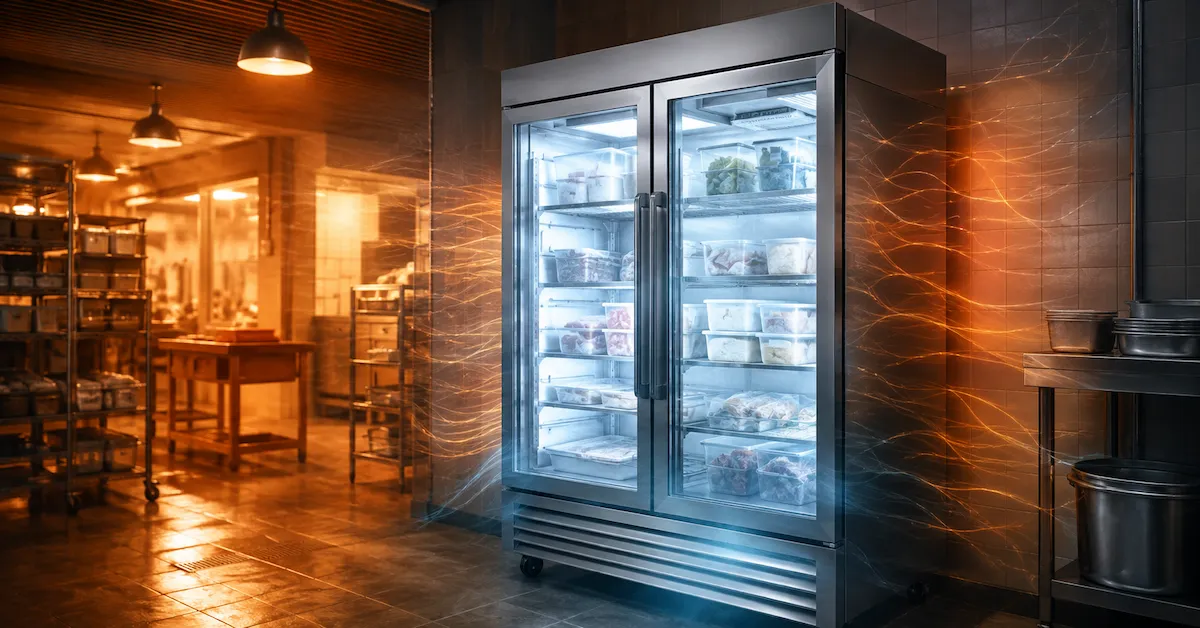
Commercial Freezer Ambient Temperature refers to the temperature of the surrounding air where a commercial freezer is installed and operating.
It describes the external environment around the equipment, including:
- Store temperature
- Kitchen temperature
- Warehouse temperature
- Outdoor-adjacent conditions
Ambient temperature affects how hard the refrigeration system must work to remove heat from inside the freezer.
It influences:
- Compressor operation
- Cooling efficiency
- Energy consumption
- Temperature stability
- Equipment lifespan
For commercial refrigeration buyers, understanding ambient temperature is important because the same freezer model may perform differently in different environments.
Snowsea provides commercial refrigeration products for supermarkets, restaurants, distributors, and global B2B refrigeration projects.
Ambient Temperature vs Freezer Temperature vs Climate Class
Many buyers confuse these three concepts.
| Term | Meaning |
|---|---|
| Ambient Temperature | Temperature around the freezer |
| Freezer Temperature | Internal temperature used for product storage |
| Climate Class | Designed operating environment rating |
For example:
A freezer may maintain:
Internal temperature: -18°C
while operating in:
Ambient temperature: +35°C
The internal temperature requirement and external operating condition are different factors.
Climate class indicates whether the freezer is designed to work under certain ambient conditions.
For more information, see Snowsea's commercial freezer climate class guide.
Why Ambient Temperature Matters for Commercial Freezer Performance
Commercial freezers exchange heat with the surrounding environment.
When ambient temperature increases, the refrigeration system faces a higher heat load.
This may affect:
- Cooling speed
- Compressor workload
- Energy efficiency
- Temperature recovery
A freezer installed in a cool warehouse and the same freezer installed in a hot commercial kitchen may require different operating effort.
Recommended Ambient Temperature Range for Commercial Freezers
Actual requirements depend on freezer design, climate class, and application.
General environmental references include:
| Installation Environment | Typical Condition |
|---|---|
| Cool storage room | 10°C–20°C |
| Standard indoor store | 20°C–32°C |
| Warm retail environment | 32°C–38°C |
| Tropical environment | Above 38°C |
For hot climates, buyers should select equipment designed for higher ambient conditions.
The correct choice depends on:
- Destination country
- Installation location
- Seasonal temperature changes
- Ventilation conditions
How High Ambient Temperature Affects Commercial Freezers
High ambient temperature is one of the biggest challenges for refrigeration equipment.
Longer Compressor Running Time
When surrounding air becomes hotter:
- Heat rejection becomes more difficult
- Cooling load increases
- Compressor runs longer
This can reduce efficiency and increase operating costs.
Higher Energy Consumption
A freezer operating in a hot environment usually requires more energy because the refrigeration system works harder.
Factors include:
- Compressor workload
- Condenser efficiency
- Cooling demand
For energy-related evaluation, see Snowsea's commercial freezer power consumption guide.
Slower Temperature Recovery
When doors open frequently or products are loaded, hot ambient air enters the cabinet.
Higher surrounding temperatures may increase recovery time.
Temperature recovery is especially important for:
- Supermarkets
- Convenience stores
- Restaurants
See Snowsea's commercial freezer temperature recovery guide.
How Low Ambient Temperature Affects Commercial Freezers
Low ambient temperatures can also influence refrigeration performance.
Possible effects include:
- Different compressor cycling behavior
- Reduced heat transfer conditions
- Control system challenges
This is especially relevant for:
- Cold warehouses
- Winter outdoor environments
- Low-temperature storage rooms
Equipment should be selected according to the actual installation environment.
Ambient Temperature Requirements by Application
Different businesses face different ambient conditions.
Supermarket Freezer Environment
Supermarkets often experience:
- Frequent door opening
- Customer traffic
- Lighting heat
- Long operating hours
Equipment selection should consider:
- Store temperature
- Display location
- Air conditioning conditions
For large retail projects, see Snowsea's supermarket freezer project supplier guide.
Restaurant Freezer Environment
Commercial kitchens often have higher ambient temperatures because of:
- Cooking equipment
- Steam
- Limited ventilation
Freezers should be installed away from:
- Ovens
- Fryers
- Heat-producing equipment
Convenience Store Freezer Environment
Convenience stores usually require freezers that can handle:
- Continuous operation
- Frequent customer access
- Limited installation space
Proper ambient temperature planning helps maintain stable performance.
Catering and Food Storage Environment
Catering businesses often combine:
- Large inventory
- Frequent loading
- High operating intensity
A freezer should maintain performance during busy periods.
For catering applications, see Snowsea's commercial freezer supplier for caterers guide.
How Installation Location Affects Ambient Temperature
The freezer location directly affects operating conditions.
Avoid Heat Sources
Do not install freezers near:
- Cooking equipment
- Boilers
- Direct sunlight
- Heat-producing machines
Additional heat increases refrigeration workload.
Maintain Proper Ventilation
Poor airflow around the freezer may cause:
- Heat buildup
- Reduced condenser performance
- Higher energy consumption
Proper installation should allow heat to escape effectively.
Consider Seasonal Temperature Changes
A location that is acceptable in winter may become challenging during summer.
Buyers should consider:
- Highest seasonal temperature
- Store temperature control
- Future operating conditions
Ventilation Requirements for Commercial Freezers
Ventilation plays an important role in maintaining suitable ambient conditions.
Important considerations include:
- Air circulation around condenser areas
- Installation clearance
- Heat dissipation space
Blocked ventilation may result in:
- Higher compressor temperature
- Reduced cooling efficiency
- Increased power consumption
For airflow design considerations, see Snowsea's commercial freezer airflow circulation design guide.
Relationship Between Ambient Temperature and Energy Efficiency
Ambient temperature directly affects operating cost.
In hotter environments:
- Compressor operates longer
- Cooling demand increases
- Electricity usage rises
Energy efficiency depends on several combined factors:
- Compressor efficiency
- Cabinet insulation
- Door sealing
- Airflow design
- Temperature control
A freezer designed for the correct environment can provide better long-term operating value.
Ambient Temperature and Compressor Performance
The compressor is responsible for maintaining cooling performance.
High ambient conditions require:
- Strong heat rejection capability
- Reliable compressor operation
- Suitable refrigeration capacity
A compressor working continuously under excessive heat may experience:
- Higher stress
- Increased wear
- Reduced efficiency
For compressor evaluation, see Snowsea's commercial freezer compressor reliability guide.
How Suppliers Test Freezer Performance Under Different Ambient Temperatures
Professional manufacturers evaluate freezer performance through controlled testing.
Common tests include:
High Ambient Temperature Testing
Checks whether the freezer can maintain required temperatures in hot conditions.
Cooling Performance Testing
Evaluates:
- Cooling speed
- Temperature stability
- Refrigeration capability
Energy Consumption Testing
Measures electricity usage under different operating conditions.
Temperature Recovery Testing
Checks how quickly the freezer returns to normal after:
- Door opening
- Product loading
Quality Performance Testing
Includes checking:
- Compressor operation
- Control system
- Insulation performance
For testing methods, see Snowsea's commercial freezer quality testing guide.
Common Mistakes When Ignoring Ambient Temperature
Using Standard Freezers in Tropical Areas
Equipment may struggle when installed in extremely hot environments.
Installing Near Heat Sources
Additional heat increases refrigeration load.
Blocking Airflow Around Equipment
Poor ventilation reduces cooling efficiency.
Ignoring Seasonal Temperature Changes
Summer conditions may exceed expected operating environments.
Selecting Only Based on Capacity
Capacity alone does not determine suitability.
Environmental conditions must also be considered.
How to Choose the Right Commercial Freezer for Your Environment
A practical selection process:
Step 1: Identify Installation Location
Determine:
- Store
- Kitchen
- Warehouse
- Outdoor-adjacent area
Step 2: Measure Ambient Conditions
Consider:
- Average temperature
- Maximum temperature
- Seasonal changes
Step 3: Check Climate Class
Match the freezer specification with the environment.
Step 4: Evaluate Refrigeration Performance
Review:
- Compressor capability
- Cooling performance
- Energy efficiency
Step 5: Confirm Supplier Specifications
Request:
- Technical datasheet
- Climate class information
- Test reports
What Information Should You Send a Freezer Supplier?
For accurate recommendations, buyers should provide:
- Destination country
- Installation environment
- Maximum ambient temperature
- Freezer type
- Required capacity
- Storage temperature
- Operating hours
- Quantity
- Certification requirements
- Customization requirements
This helps suppliers recommend suitable refrigeration solutions.
FAQ
What is commercial freezer ambient temperature?
Commercial freezer ambient temperature refers to the surrounding air temperature where the freezer operates.
Is ambient temperature the same as freezer temperature?
No. Ambient temperature is outside the freezer, while freezer temperature refers to the internal storage condition.
Why does ambient temperature affect freezer performance?
Higher ambient temperatures increase heat load, causing the refrigeration system to work harder.
What is the maximum ambient temperature for a commercial freezer?
It depends on the freezer climate class and design. Some tropical models are designed for higher ambient conditions.
Does hot weather increase freezer electricity usage?
Yes. Higher ambient temperatures usually increase compressor operation and energy consumption.
Can commercial freezers operate outdoors?
Some models may support outdoor-adjacent applications, but buyers should confirm environmental requirements with suppliers.
How does ventilation affect ambient temperature?
Poor ventilation traps heat around the freezer and may reduce cooling efficiency.
Should restaurants consider ambient temperature when buying freezers?
Yes. Commercial kitchens often have higher temperatures due to cooking equipment and limited ventilation.
What is the difference between climate class and ambient temperature?
Climate class is the designed operating rating, while ambient temperature is the actual surrounding condition.
Can Snowsea recommend a freezer for hot climates?
Yes. Snowsea can recommend suitable commercial refrigeration solutions based on location, ambient conditions, application, and capacity requirements.
Conclusion
Understanding Commercial Freezer Ambient Temperature helps businesses select refrigeration equipment that performs reliably in real operating environments.
Ambient temperature affects compressor workload, energy consumption, cooling performance, and long-term equipment reliability.
For supermarkets, restaurants, catering companies, and international buyers, selecting a freezer based on both product requirements and installation environment helps achieve better efficiency and fewer operating problems.
Snowsea supports global B2B buyers with commercial refrigeration products and OEM/ODM solutions. Explore Snowsea's commercial refrigeration products, review its OEM/ODM solutions, or contact Snowsea with your market, climate conditions, capacity needs, and project details.