Why Choosing the Right Upright Freezer Wholesale Supplier Matters
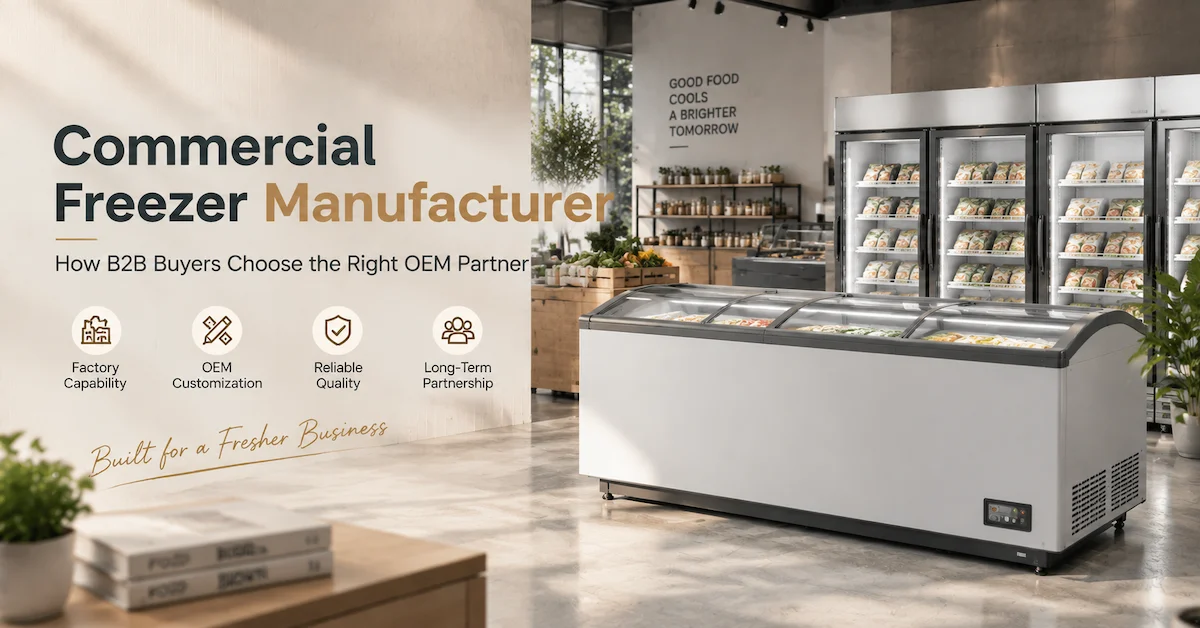
A reliable Upright Freezer Wholesale Supplier should provide more than a standard freezer model and a factory quotation.
For commercial buyers, upright freezers are important equipment for organized frozen storage, retail display, food service operations, and professional kitchens.
Unlike horizontal chest freezers, upright freezers provide vertical storage space that allows easier product organization and faster access.
Before purchasing in bulk, buyers should evaluate:
- Storage capacity
- Shelf configuration
- Cooling uniformity
- Airflow design
- Door sealing
- Insulation performance
- Defrost system
- Energy efficiency
- Product durability
- OEM capability
- Quality inspection
- Export support
The right supplier should understand both freezer manufacturing and the practical needs of different commercial applications.
Snowsea provides commercial refrigeration products for distributors, retailers, food-service companies, and global B2B buyers.
What Is a Commercial Upright Freezer?
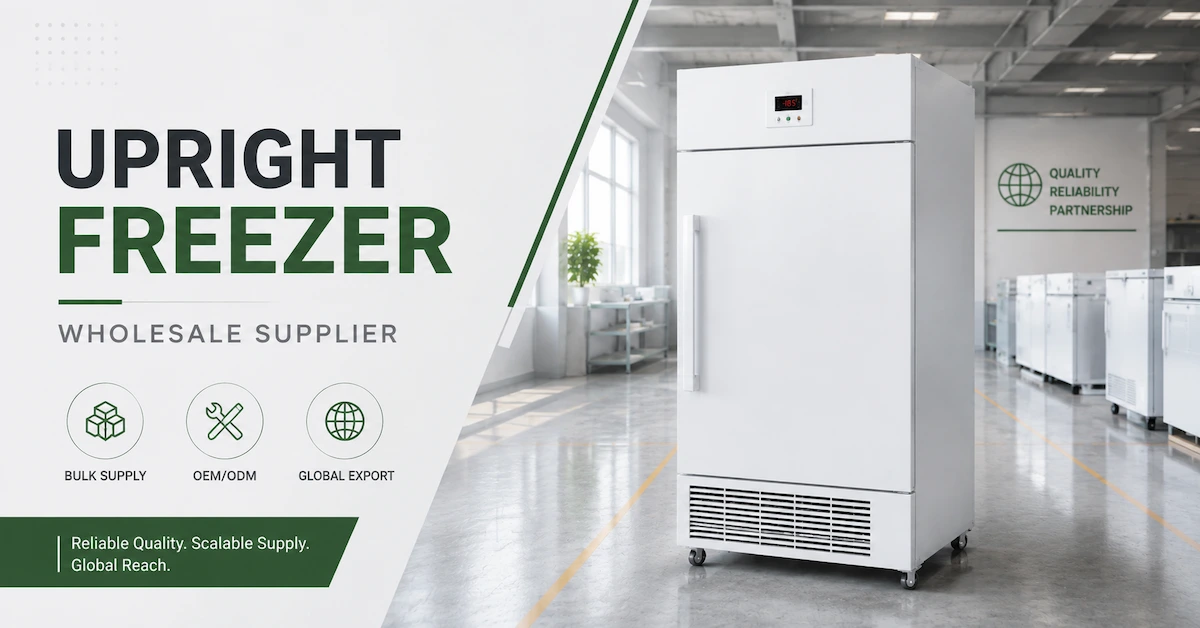
A commercial upright freezer is a vertical refrigeration cabinet designed for frozen storage with front access doors.
Compared with chest freezers, upright freezers offer:
- Easier product visibility
- Better shelf organization
- Smaller floor footprint
- Faster product access
- Improved inventory management
Common applications include:
- Supermarkets
- Convenience stores
- Restaurants
- Hotels
- Commercial kitchens
- Frozen-food retailers
- Food distribution centers
For businesses handling multiple frozen products, upright freezers can improve operational efficiency because products can be arranged by category, brand, or sales priority.
Upright Freezer vs Chest Freezer: Which One Fits Your Business?
The right freezer type depends on the application.
| Comparison | Upright Freezer | Chest Freezer |
|---|---|---|
| Storage direction | Vertical | Horizontal |
| Product access | Front access | Top access |
| Organization | Easier shelf management | Bulk storage advantage |
| Floor usage | Smaller footprint | Requires more floor space |
| Retail display | Better visibility options | Limited visibility |
| Large-volume storage | Moderate to high | Very high |
Chest freezers may be better for bulk frozen storage, while upright freezers are often preferred where organization, accessibility, and product presentation matter.
What Upright Freezer Types Do Wholesale Buyers Need?
Single Door Upright Freezers
Single-door models are suitable for:
- Small retail stores
- Restaurants
- Convenience stores
- Limited-space kitchens
Advantages may include:
- Lower installation requirements
- Efficient use of space
- Easier placement
Buyers should evaluate internal volume and shelf layout rather than only external dimensions.
Double Door Upright Freezers
Double-door models provide greater storage capacity.
They are commonly used for:
- Supermarkets
- Large restaurants
- Food-service operations
- Commercial kitchens
Important considerations include:
- Door opening frequency
- Temperature recovery
- Shelf loading
- Air circulation
Glass Door Upright Freezers
Glass-door upright freezers combine storage with product visibility.
They are suitable for:
- Frozen-food retail
- Ice cream displays
- Supermarket merchandising
Buyers should compare:
- Glass structure
- Anti-condensation performance
- LED lighting
- Door sealing
- Display visibility
For display-focused applications, buyers can also review Snowsea's glass door freezer wholesale supplier guide.
What Should Buyers Compare Between Upright Freezer Suppliers?
A professional Upright Freezer Wholesale Supplier should provide detailed technical information instead of only listing capacity and dimensions.
Storage Capacity and Shelving Design
Storage efficiency depends on more than cabinet volume.
Buyers should evaluate:
- Shelf quantity
- Shelf adjustability
- Internal layout
- Loading convenience
- Product accessibility
For commercial users, a well-designed interior can improve daily operation.
Poor shelf design may create:
- Wasted space
- Difficult product access
- Uneven loading
- Reduced operational efficiency
Airflow Circulation and Temperature Uniformity
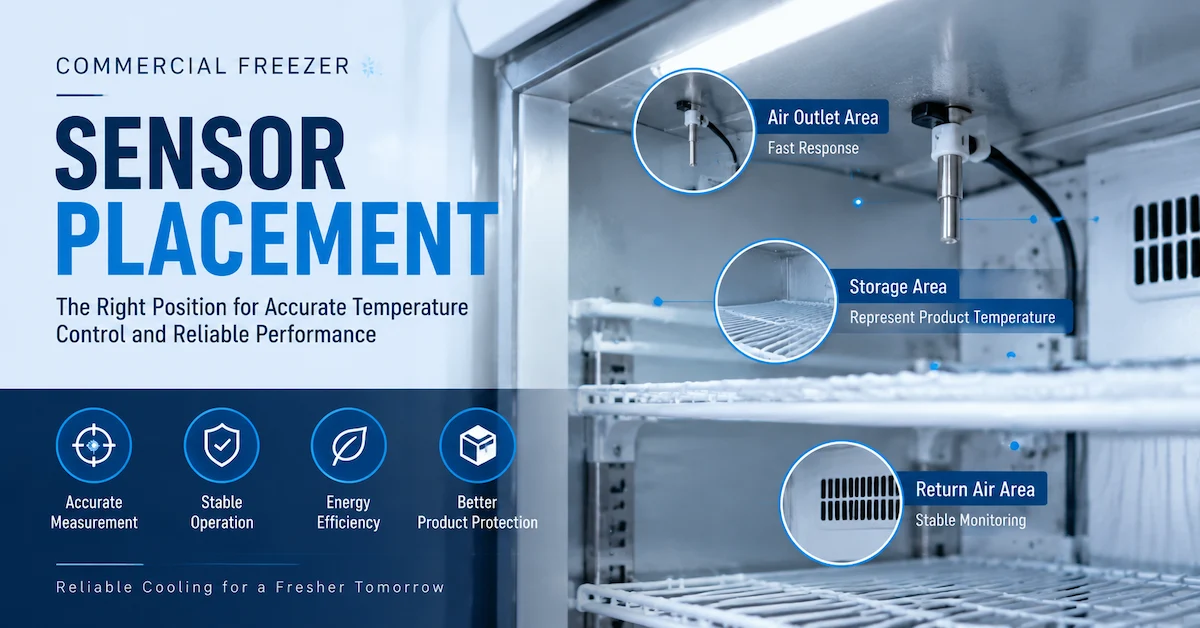
Upright freezers usually rely on air circulation systems to distribute cold air throughout multiple shelf levels.
Important factors include:
- Fan position
- Air outlet design
- Return-air path
- Shelf loading
- Evaporator placement
Good airflow helps reduce temperature differences between:
- Top shelves
- Middle shelves
- Bottom areas
- Front and rear sections
Buyers can review Snowsea's commercial freezer airflow circulation design guide for more information.
Cooling Performance and Refrigeration System
The refrigeration system should match the cabinet size and intended application.
Key components include:
- Compressor
- Condenser
- Evaporator
- Refrigerant
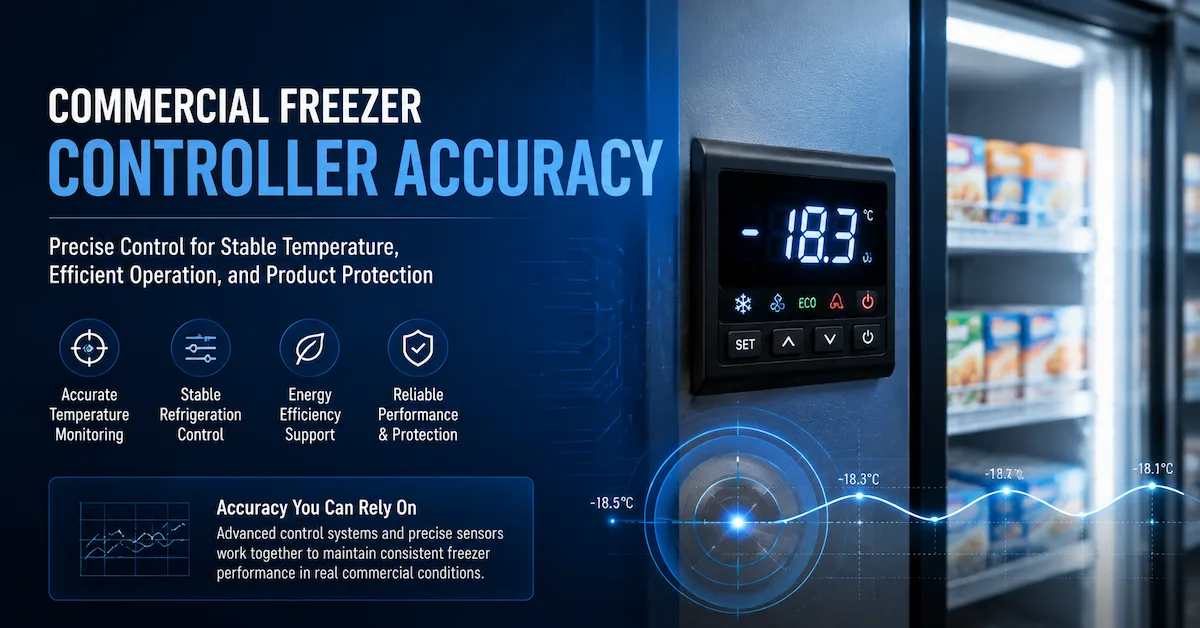
- Controller
- Fan system
Buyers should evaluate:
- Cooling speed
- Temperature stability
- Recovery after door opening
- Operating noise
- Long-term reliability
A supplier should explain how the system is designed rather than focusing only on individual components.
Insulation Performance
Insulation affects:
- Temperature stability
- Energy consumption
- Compressor workload
- Operating cost
Important factors include:
- Insulation material
- Thickness
- Foam density
- Cabinet construction
Snowsea's freezer cabinet insulation performance comparison explains how insulation influences commercial freezer performance.
Door Sealing and Energy Efficiency
Door sealing is important because upright freezers are opened frequently.
A good sealing system helps reduce:
- Cold-air loss
- Frost accumulation
- Compressor workload
- Energy waste
Buyers should inspect:
- Door gasket quality
- Door alignment
- Closing mechanism
- Frame construction
For related considerations, see Snowsea's freezer door gasket sealing performance.
Automatic Defrost System
Commercial upright freezers often use automatic defrost systems to reduce maintenance requirements.
Benefits may include:
- Reduced manual defrost work
- Easier daily operation
- Better maintenance planning
However, buyers should evaluate:
- Defrost cycle control
- Temperature recovery
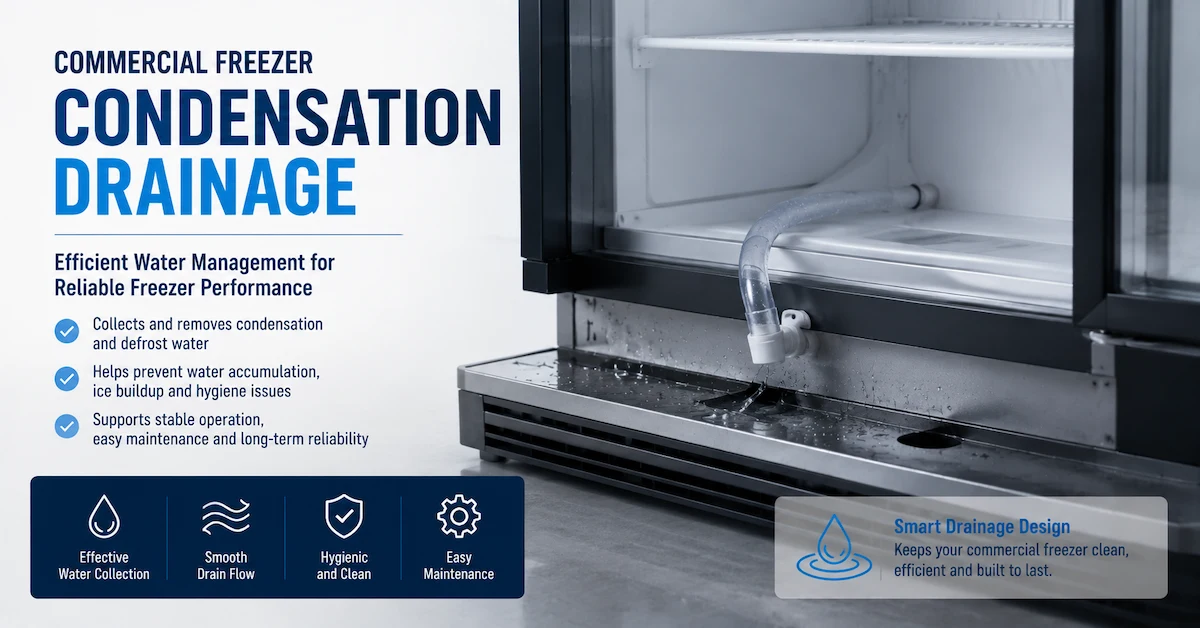
- Drainage design
- Energy impact
The best solution depends on the application and operating environment.
What Determines Upright Freezer Wholesale Price?
Wholesale pricing depends on multiple technical and commercial factors.
| Cost Factor | Impact |
|---|---|
| Cabinet size | Affects material and refrigeration requirements |
| Number of doors | Changes structure and components |
| Compressor | Influences cooling system cost |
| Insulation | Affects thermal design |
| Shelving | Changes internal configuration |
| Glass doors | Adds display components |
| Controller | Influences control functions |
| Lighting | Adds display features |
| OEM branding | Adds customization cost |
| Quantity | Influences production efficiency |
Buyers should compare complete specifications instead of selecting suppliers based only on the lowest quotation.
MOQ, Bulk Orders and Container Planning
MOQ depends on:
- Product model
- Customization requirements
- Packaging
- Branding
- Component sourcing
Wholesale buyers should discuss:
- Trial orders
- Standard MOQ
- Container quantities
- Mixed-model orders
- Annual purchasing plans
A supplier experienced in bulk orders should help buyers optimize:
- Product combination
- Loading efficiency
- Inventory planning
OEM and Private Label Upright Freezers
Many distributors require branded freezer solutions.
Customization may include:
- Logo
- Cabinet color
- Product labels
- Model numbers
- Packaging
- Manuals
- Barcode systems
More advanced OEM projects may include:
- Different controllers
- Special cabinet structures
- Refrigeration adjustments
- Market-specific configurations
Snowsea supports OEM and ODM commercial refrigeration solutions for buyers building branded product lines.
Quality Control Before Shipment
Before bulk delivery, buyers should confirm the supplier's testing process.
Important checks may include:
Refrigeration Testing
Verify:
- Temperature performance
- Cooling stability
- Compressor operation
- Fan operation
Cabinet Inspection
Check:
- Door alignment
- Shelving
- Surface finish
- Interior condition
Electrical Testing
Inspect:
- Wiring
- Controller
- Lighting
- Switches
Final Appearance Inspection
Confirm:
- Product labels
- Branding
- Accessories
- Packaging condition
Snowsea's commercial freezer quality testing procedure explains common factory inspection points.
Export Packaging and Transportation Protection
Upright freezers require careful export packaging because of their size and structure.
Packaging should protect:
- Doors
- Handles
- Corners
- Cabinet surfaces
- Compressor areas
Important packaging considerations include:
- Foam protection
- Corner guards
- Reinforced cartons
- Product fixation
- Shipping marks
For international orders, Snowsea's freezer export packaging drop protection guide explains transportation protection requirements.
Spare Parts and After-Sales Support
Wholesale buyers should consider long-term service requirements.
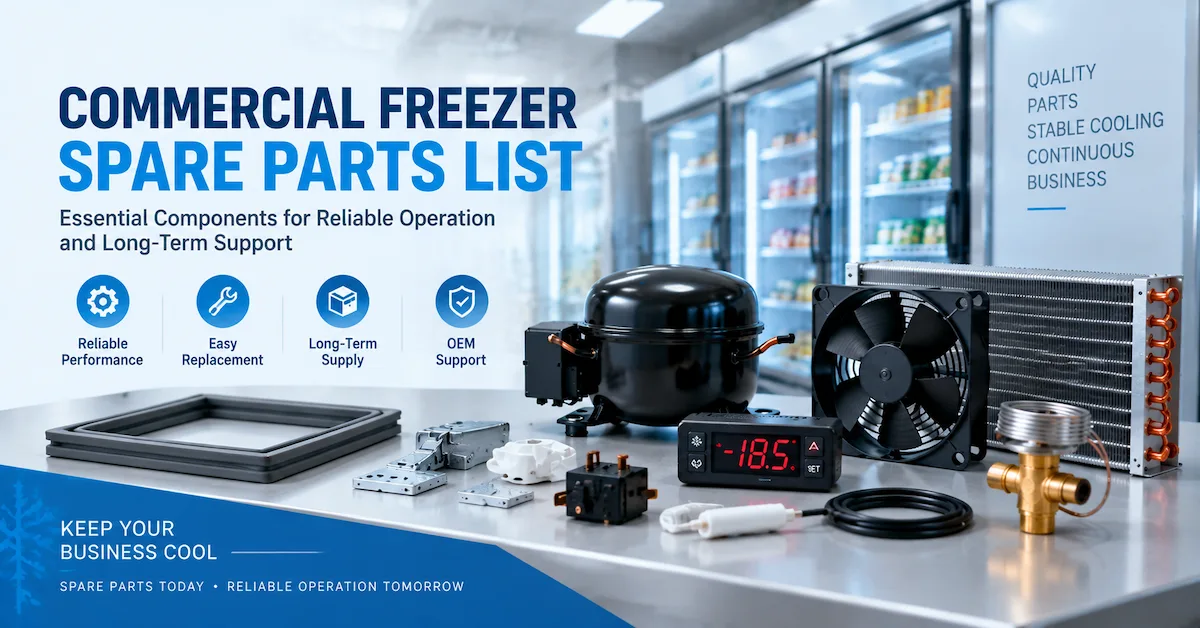
Common spare parts include:
- Door gaskets
- Controllers
- Fan motors
- Hinges
- Handles
- Lighting components
- Electrical parts
A reliable supplier should provide:
- Part numbers
- Spare-parts recommendations
- Technical support
- Warranty procedures
This is especially important for distributors serving multiple customers.
How to Evaluate an Upright Freezer Wholesale Supplier
A structured supplier evaluation helps reduce purchasing risk.
| Evaluation Area | What Buyers Should Check |
|---|---|
| Product range | Suitable upright freezer models |
| Manufacturing | Production capability |
| Cooling system | Technical matching |
| Insulation | Thermal performance |
| Door system | Sealing and durability |
| QC | Testing procedures |
| OEM | Customization capability |
| Packaging | Export protection |
| Spare parts | Long-term support |
| MOQ | Fits purchasing plan |
| Lead time | Delivery reliability |
The strongest supplier is not always the cheapest one.
A better supplier is one that can provide consistent quality and reliable long-term cooperation.
What Should Buyers Include in an RFQ?
A professional RFQ should include:
- Freezer type
- Number of doors
- Capacity
- Temperature requirement
- Voltage and frequency
- Refrigerant requirements
- Shelf configuration
- Glass or solid door requirement
- Branding requirements
- Destination market
- Quantity
- Packaging requirements
- Certification requirements
- Delivery schedule
Clear information helps suppliers provide accurate quotations.
FAQ
What is an upright freezer wholesale supplier?
An upright freezer wholesale supplier provides commercial vertical freezers in bulk quantities for distributors, retailers, restaurants, and other B2B buyers.
What should I compare when buying upright freezers wholesale?
Compare storage design, refrigeration system, airflow, insulation, door sealing, energy efficiency, quality control, MOQ, and after-sales support.
Are upright freezers better than chest freezers?
It depends on the application. Upright freezers offer easier organization and access, while chest freezers often provide larger bulk storage capacity.
Can upright freezers be customized with my brand?
Yes. Many suppliers support logo, labels, packaging, manuals, and other private-label requirements.
What affects upright freezer wholesale price?
Price depends on cabinet size, doors, refrigeration components, materials, customization, quantity, and packaging requirements.
What quality tests should suppliers provide?
Testing may include temperature performance, compressor operation, electrical inspection, door sealing, appearance checks, and packaging inspection.
Can upright freezers be ordered in mixed models?
Many suppliers support mixed-model orders, but buyers should confirm MOQ, production requirements, and container loading.
How important is airflow design in upright freezers?
Airflow affects temperature uniformity between shelves and helps maintain stable product storage conditions.
Should distributors stock spare parts?
Yes. Spare-parts planning can improve after-sales service and reduce customer downtime.
Can Snowsea supply upright freezers for wholesale projects?
Snowsea supports commercial refrigeration wholesale and OEM/ODM projects. Buyers can provide freezer type, quantity, destination market, and customization requirements for project evaluation.
Conclusion
Choosing the right Upright Freezer Wholesale Supplier requires evaluating product design, refrigeration performance, manufacturing capability, quality control, and long-term support.
For distributors, supermarkets, restaurants, and private-label brands, the ideal supplier should provide reliable upright freezer solutions with suitable storage design, stable temperature performance, efficient operation, and consistent production quality.
Price is important, but the best sourcing decision comes from balancing product performance, supplier reliability, customization capability, and total business value.
Snowsea supports global B2B buyers with commercial refrigeration products and OEM/ODM solutions. Explore Snowsea's commercial refrigeration products, review OEM/ODM solutions, or contact Snowsea with your upright freezer requirements, quantity, market, and customization needs.